

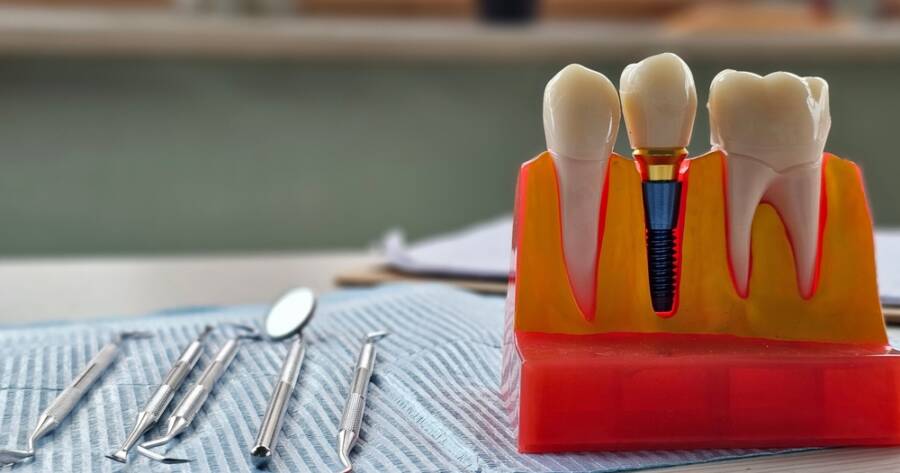
Dental implants can restore missing teeth and help people chew, speak, and smile with confidence. Many people in the United States assume implants are out of reach because of cost, but several programs and options can make them more affordable. Understanding top choices can help patients plan treatment while protecting their dental health.
Understanding Dental Implants
Dental implants are artificial tooth roots placed in the jaw to support a crown, bridge, or denture. They are designed to stay in place and function like natural teeth. Because implants attach directly to the jawbone, they often feel stable and allow people to eat many foods comfortably.
Implants also help support the structure of the mouth by keeping the jawbone active. When teeth are missing for a long time, the bone in that area can shrink. An implant can help prevent this process and maintain the shape of the face, which is one reason many dentists recommend them as a long-term solution.
Alternative Implant Solutions That May Reduce Costs
Some dental implant options can lower the overall cost by using fewer implants or smaller components, including:
- Mini dental implants are narrower than traditional implants and are often used to stabilize dentures. Because they require a less complex procedure and smaller hardware, they may reduce surgical time and recovery needs in some cases.
- All-on-4 system, which uses four strategically placed implants to support a full arch of replacement teeth. This approach can restore an entire row of teeth with fewer implants than traditional methods.
- Snap-in dentures are also a popular solution, combining removable dentures with implant anchors that “snap” into place for added stability.
These options can provide improved comfort and function while offering alternatives that may fit different treatment plans and budgets.
Assistance Programs That Help Reduce Implant Costs
Several programs in the United States can help patients reduce the cost of dental implant treatment. The Dental Lifeline Network, for example, operates the Donated Dental Services program, which connects eligible patients with volunteer dentists who provide treatment at no charge to people with disabilities, serious medical conditions, or limited income.
Another option is the Veterans Affairs (VA) dental program, which may provide dental implants for eligible veterans who meet specific service or medical criteria. Some patients also receive help through nonprofit programs such as Mission of Mercy dental clinics, which operate large volunteer events across many states and sometimes connect patients with follow-up care providers. Exploring these programs can help patients find support when planning implant treatment.
The Role of Insurance and Dental Schools
Dental insurance may help cover certain parts of implant treatment, even if it does not pay for the full procedure. For example, some plans help with consultations, imaging, extractions, or the final crown that attaches to the implant. Patients can review their policy or speak with their provider to understand which parts may be covered.
Dental schools across the United States also provide lower-cost treatment options. In these programs, dental students perform procedures under the close supervision of experienced dentists and professors. Because these clinics focus on training and education, they often offer reduced fees compared with private practices.
Exploring Clinical Trials and Dental Tourism
Clinical trials sometimes offer dental implant treatment for patients who meet certain health and eligibility requirements. Universities, hospitals, and research centers may conduct studies on new materials or techniques. Participants may receive treatment at a reduced cost or sometimes with no fees as part of the research process.
Some people also explore dental tourism, where treatment is completed outside the United States. Clinics in certain countries may offer lower prices due to different operating costs. However, patients should carefully research clinics, credentials, and follow-up care before choosing this path, since ongoing maintenance is important after implant surgery.
Choosing Low-Cost Clinics and Community Programs
Community health clinics and nonprofit dental programs sometimes provide reduced-cost services for people with limited income. These clinics may receive public funding or charitable support that helps make treatment more affordable. Availability varies by location, but many cities have dental assistance programs that patients can explore.
Some states and local organizations also run dental events or outreach programs that provide care to underserved communities. These programs may focus on urgent dental needs, but they can also connect patients with clinics that offer long-term treatment plans. Checking with local health departments or dental associations can help patients find these opportunities.
Making Dental Implants More Accessible
Dental implants can be a valuable option for replacing missing teeth, and they may be more accessible than many people expect. Payment plans, dental schools, insurance coverage, research programs, and community clinics can all help reduce the financial burden of treatment.
By exploring several options and speaking with qualified dental professionals, patients can find solutions that match both their health needs and their budget. Taking time to research available programs can open the door to reliable, long-lasting tooth replacement.