

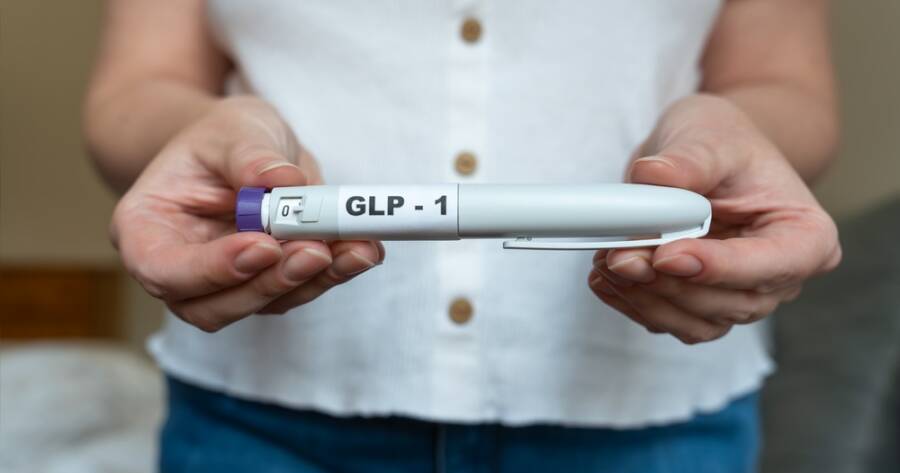
GLP-1 medications have expanded treatment options for Americans struggling with obesity, but affordability remains a major concern. Prices vary depending on the medication, dosage, insurance coverage, and available savings programs. Fortunately, manufacturer discounts and public insurance initiatives offer potential ways to reduce expenses. Understanding key options can help patients find medically appropriate treatment without facing unnecessary financial strain.
Understanding GLP-1 Weight-Loss Medications
GLP-1 medications help regulate appetite and food intake, making them useful for certain patients managing obesity. Prescription treatments such as Wegovy, Zepbound, and Foundayo offer different approaches to weight management. Wegovy contains semaglutide, Zepbound contains tirzepatide, and Foundayo contains orforglipron.
These medications also differ in how they are taken. Wegovy is available as a once-weekly injection or daily tablet, while Zepbound is administered weekly by injection. Foundayo provides a once-daily oral alternative. Treatment selection depends on medical history, potential side effects, individual preferences, and the prescribing clinician’s assessment.
Wegovy: Cash Prices and Insurance Savings
Wegovy offers several pricing options for patients paying without insurance. Its oral formulation starts at $149 monthly for the 1.5 mg dose, while the 4 mg dose costs $199 monthly under standard self-pay pricing. The 9 mg and 25 mg tablets are listed at $299 monthly (source).
For injectable Wegovy, eligible new patients can obtain the 0.25 mg or 0.5 mg starting doses for $199 monthly during their first two months through December 31, 2026. Standard pricing for several injectable doses is $349 monthly. Eligible commercially insured patients may pay as little as $25 monthly through a savings offer, subject to restrictions and maximum discount limits (source).
Patients should confirm their prescribed dose before comparing costs because introductory offers do not necessarily apply throughout treatment.
Zepbound: Different Prices for Different Doses
Zepbound provides another option for patients considering prescription weight-loss treatment. Through its direct purchasing program, the starting 2.5 mg dose is advertised at $299 for a 28-day supply, while the 5 mg dose starts at $399. Higher doses may qualify for a $449 monthly price when patients meet the program’s refill conditions (source).
These prices apply to specified self-pay arrangements and are not guaranteed for every patient. Some higher-dose discounts require refilling within 45 days, while injection supplies may involve additional expenses.
The medication is also available in different delivery formats, including multidose pens and single-dose vials. Comparing the correct formulation and dosage is essential when calculating ongoing treatment costs.
Foundayo: An Oral Weight-Loss Alternative
Foundayo is a daily tablet that offers another potential choice for adults seeking weight-loss medication. Its published self-pay prices begin at $149 monthly for the 0.8 mg starting dose and the temporarily discounted 2.5 mg dose. The 5.5 mg dose starts at $199, while the 9 mg dose is listed at $299 monthly (source).
Some of these promotional rates are scheduled to end December 31, 2026. Higher-dose pricing may also depend on refill timing and program eligibility. Although lower starting prices can be appealing, patients should calculate the expected cost of subsequent doses rather than basing their decision exclusively on introductory rates.
Medicare Coverage Through the GLP-1 Bridge Program
Since July 1, 2026, eligible Medicare beneficiaries have been able to access selected weight-loss medications through the temporary Medicare GLP-1 Bridge program. Covered products include Foundayo tablets, Wegovy tablets or injections, and Zepbound KwikPen. Qualifying patients pay a $50 monthly copayment (source).
Eligibility requires Medicare prescription drug coverage and meeting specified medical criteria. Patients may qualify with a BMI of at least 35, a BMI of 30 with certain serious health conditions, or a BMI of 27 with particular conditions such as prediabetes or previous cardiovascular events.
People already receiving GLP-1 coverage through their Part D plans are excluded from the Bridge. Certain diagnoses, including type 2 diabetes and moderate-to-severe sleep apnea, also require patients to explore their regular drug coverage instead.
Medicaid and Private Insurance Options
Medicaid coverage for GLP-1 medications prescribed specifically for obesity varies by state. As of January 2026, 13 state fee-for-service Medicaid programs covered these medications for obesity treatment. Coverage for other approved medical conditions follows different requirements (source).
Privately insured patients should check whether their plan covers weight-management medications and requires prior authorization. Some may qualify for manufacturer savings programs, although these typically exclude people enrolled in federal healthcare programs.
Patients should compare insurance copayments with available manufacturer cash-pay offers before choosing how to purchase their prescriptions.
Practical Ways to Reduce Treatment Costs
Affordability involves more than finding the lowest introductory price. Patients should ask about maintenance-dose costs, prescription coverage, refill conditions, and whether discounts expire during treatment.
It is also important to consider medical consultations, follow-up appointments, and any necessary supplies. Choosing an unauthorized medication source solely because of a lower advertised price can create unnecessary health risks.
Before beginning treatment, patients should confirm that the medication is appropriate for their health needs and discuss potential side effects, safety warnings, and long-term treatment expectations.
Finding Affordable Weight-Loss Treatment
GLP-1 medications are becoming more accessible through manufacturer pricing programs, insurance benefits, and Medicare initiatives. However, costs differ substantially by product, dosage, and eligibility.
Comparing verified prices, understanding coverage requirements, and discussing treatment options with a qualified healthcare professional can help patients make informed decisions. The most affordable option should also be medically appropriate, sustainable, and supported by a realistic long-term budget.