

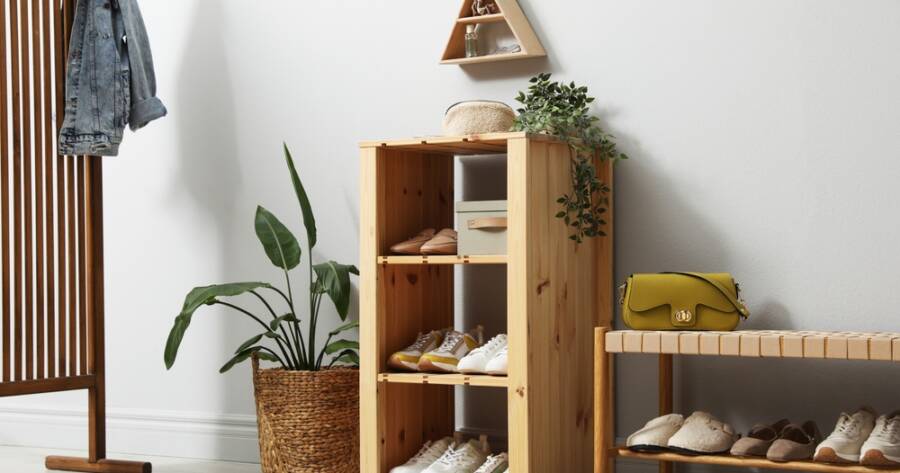
Small entryways can feel crowded fast. Shoes pile up, bags get dropped, and clutter builds before you even notice it. Because entryways are used every day, they need simple systems that are easy to maintain. With the right approach, even a narrow or awkward entry space can feel open and functional. Practical changes can help keep tight entryways organized, tidy, and easier to move through without major changes or renovations.
1) Limit What Lives in the Entryway
One of the most effective ways to keep a small entryway spacious is to limit what belongs there. Entryways work best when they hold only daily-use items, not everything you own. Shoes worn once a week, seasonal coats, or rarely used bags should be stored elsewhere.
Decide what truly needs to be within arm’s reach. When fewer items compete for space, the area feels calmer and easier to manage. This also makes cleaning quicker and prevents clutter from creeping back in over time.
2) Use Vertical Space Wisely
When floor space is limited, vertical space becomes valuable. Wall-mounted hooks, slim shelves, or narrow cabinets help keep items off the ground and create a more open feel. Hanging coats and bags frees up walking space and reduces visual clutter.
Keeping items at eye level or higher also makes the entryway feel taller. The key is not to overload the walls. A few well-placed storage points work better than covering every inch. Balance keeps the space functional without feeling crowded.
3) Choose Storage That Does Double Duty
In a tight entryway, furniture should work hard. Pieces that serve more than one purpose help reduce the number of items needed in the space. A bench with hidden storage can hold shoes while offering a place to sit. A narrow console with drawers can store small items while acting as a landing surface.
Multi-use storage keeps the entryway clean without adding bulk. When every item has more than one function, the space feels intentional instead of stuffed.
4) Create Clear Zones for Daily Items
Small spaces feel larger when everything has a defined place. Creating simple zones helps prevent piles from forming. One area can be for shoes, another for coats, and another for keys or mail. When items always return to the same spot, clutter is easier to control.
Zones do not need labels or complex systems. They just need consistency. When everyone in the household knows where things go, the entryway stays organized with less effort.
5) Keep Surfaces Clear and Simple
Flat surfaces collect clutter quickly, especially near the front door. Keeping surfaces as clear as possible helps the entryway feel open and calm. Limit decorative items to one or two simple pieces, or skip them altogether in very small spaces.
If you need a drop zone for keys or mail, choose a small tray or wall-mounted organizer instead of using a table. This keeps items contained and prevents surfaces from becoming clutter magnets.
Maintaining an Organized Entryway Over Time
Even the best setup needs regular upkeep. Taking a few minutes each week to reset the entryway helps prevent buildup. This might mean putting away stray shoes, returning items to their zones, or removing things that no longer belong there.
Consistency matters more than perfection. Small habits, repeated often, keep tight spaces from feeling overwhelming. When maintenance is quick and simple, it is easier to stick with.
Making Small Entryways Feel Bigger
Light and visibility also play a role in how spacious an entryway feels. Keeping the area well-lit makes it feel more open. Mirrors can also help reflect light and create the sense of more space, especially in narrow or dark entryways.
Avoid blocking sightlines when possible. Open storage often feels lighter than bulky furniture. Choosing pieces with clean lines and simple shapes supports a more open look.
Simple Changes Make a Big Difference
Tight entryways do not need to feel cramped or chaotic. By limiting what belongs in the space, using vertical storage, choosing multi-use furniture, defining zones, and keeping surfaces clear, small entryways can stay organized and welcoming.
These simple tips focus on habits and layout rather than size, making them easy to apply in almost any home. With a little intention, even the smallest entryway can feel functional, spacious, and easy to maintain.