

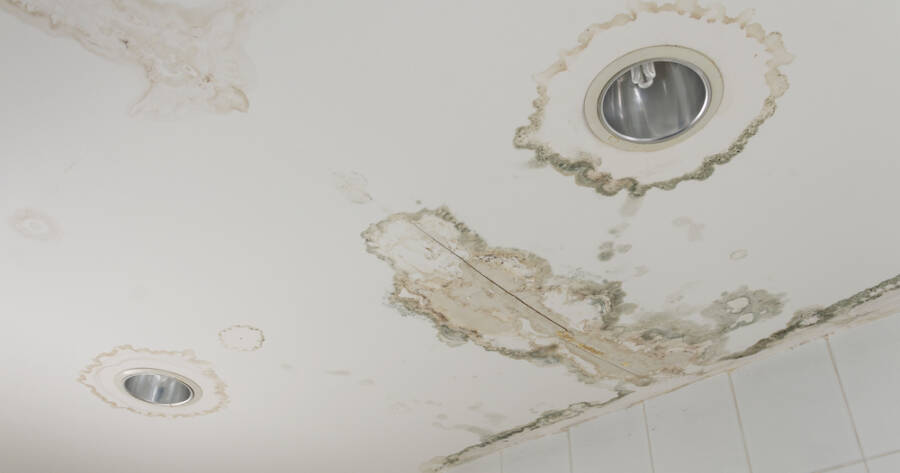
Mold is one of the most persistent threats to both home comfort and personal health, but smarter detection methods, improved cleaning techniques, and better moisture management are changing the way homeowners approach the problem in 2026.
Understanding Why Mold Becomes a Problem
Mold thrives wherever moisture lingers — inside walls, beneath flooring, on ceiling tiles, and in poorly ventilated spaces. What makes it particularly challenging is that significant growth can develop long before it becomes visible to the naked eye. Many homeowners discover an infestation only after noticing musty odors, discoloration on surfaces, or unexplained health symptoms that seem tied to time spent indoors.
Exposure to damp and moldy indoor environments can trigger a range of physical responses, from a stuffy nose and sore throat to coughing, wheezing, burning eyes, and skin irritation (source). For individuals with asthma or existing respiratory conditions, the presence of mold indoors can significantly worsen symptoms. Understanding the connection between indoor air quality and mold growth is a critical first step toward building a healthier living space.
Smarter Detection Tools Reshaping Mold Identification
One of the most meaningful advances in mold management involves how it is found before it spreads. Infrared cameras can locate mold growth before it becomes visible because they identify cooler regions where moisture may be trapped beneath surfaces (source). This technology allows inspectors and homeowners to pinpoint problem areas with a level of precision that traditional visual checks simply cannot match.
Early detection is more valuable than it might seem. Mold that is caught while confined to a small area — roughly a three-by-three-foot patch or less — can typically be addressed without professional intervention in most cases (source). Catching growth early keeps remediation straightforward, affordable, and far less disruptive to daily life. As detection tools become more accessible to everyday consumers, the window between mold appearing and being addressed is narrowing considerably.
Modern Cleaning Methods That Protect Surfaces and People
The standard approach to mold removal has long involved scrubbing hard surfaces with detergent and water and ensuring the area dries completely afterward (source). For many situations, this remains effective. However, newer techniques are expanding what is possible — particularly for materials that are difficult to clean without causing damage.
Dry ice blasting is one such advancement. This method uses solid carbon dioxide to remove mold from surfaces without relying on harsh chemical agents, and it avoids damaging the underlying material in the process (source). The result is thorough remediation that is safer for both the structure and the people performing the work. For older homes with delicate woodwork or historically significant materials, this kind of precision matters enormously.
For porous and absorbent materials such as carpet or ceiling tiles, cleaning is often not enough. When these materials become heavily contaminated, disposal is frequently the only reliable option (source). Replacing them with mold-resistant alternatives — such as moisture-resistant drywall or tile — represents a smart long-term investment in preventing future issues.
Controlling Moisture to Stop Mold Before It Starts
No cleaning method is a permanent fix without addressing the moisture that allows mold to grow in the first place. Keeping indoor humidity consistently at or below 50% throughout the day is one of the most effective preventive steps a homeowner can take (source). Dehumidifiers, proper ventilation, and exhaust fans in kitchens and bathrooms all play a role in maintaining that balance.
After flooding or water intrusion, time becomes a critical factor. Fully drying out affected areas within 24 to 48 hours dramatically reduces the chance that mold will establish itself (source). Delayed response is one of the most common reasons small water events turn into major mold problems. Acting quickly — with fans, dehumidifiers, and professional drying equipment when necessary — can make the difference between minor cleanup and extensive remediation.
HVAC systems also deserve attention in any mold prevention plan. Running a heating or cooling system that is contaminated with mold risks spreading spores throughout every room in the home (source). Regular inspection and maintenance of ducts and filters is not just good practice for air quality — it is an essential layer of defense against widespread mold distribution.
When Professional Remediation Makes Sense
Not every mold situation is suited for DIY handling. Large infestations, growth inside HVAC systems, mold behind walls, or cases involving black mold all warrant professional assessment. The global mold remediation industry is projected to exceed $15 billion by 2027, reflecting growing public awareness of how serious and widespread the problem has become (source). That growth signals both the scale of the challenge and the availability of increasingly sophisticated professional services.
Certified remediation professionals bring industrial-grade drying equipment, containment strategies to prevent cross-contamination, and access to the newest treatment technologies. For homeowners dealing with recurring mold despite repeated cleaning efforts, professional evaluation can identify structural or ventilation issues that are feeding the problem — solutions a surface-level cleaning approach will never fully resolve.
Why You Should Learn More About Mold Removal Today
Mold removal has evolved significantly, and so has the body of knowledge available to homeowners who want to protect their living spaces. Advances in detection technology, eco-friendly treatment methods, and a deeper understanding of moisture control are collectively raising the standard for what effective mold management looks like. Approximately one in five U.S. homes has a mold problem (source), which means most families either have encountered it or likely will. The health implications — from respiratory irritation to worsened asthma — make staying informed a genuinely worthwhile priority. Whether the situation calls for a DIY fix or professional remediation, understanding the full range of available options helps homeowners make confident, well-grounded decisions about the safety and quality of their home environment.