

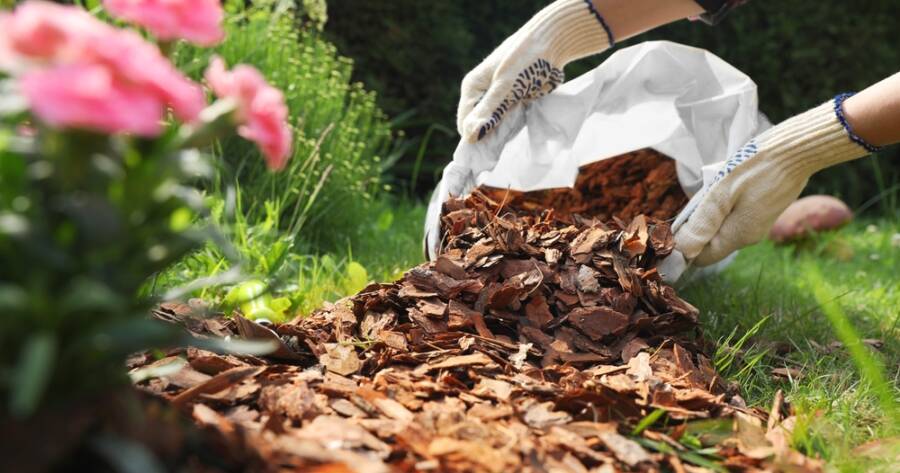
Keeping soil moist is a common concern for gardeners, especially during hot summers or dry spells. Mulch helps retain moisture by reducing evaporation, shading the soil, and slowing down the impact of wind and sun. Choosing the right mulch type can make a real difference in how well your plants stay hydrated. The best mulch for moisture retention depends on your soil, plants, and climate, but several options consistently help keep water in the ground where it belongs.
Why Mulch Matters for Moisture Retention
Mulch acts like a protective blanket over soil. When soil is left bare, water evaporates quickly, especially in direct sunlight or windy conditions. Mulch slows that evaporation by shading the soil and reducing direct contact with air. Moist soil supports plant roots, keeps soil life healthy, and reduces the need for frequent watering.
Better moisture retention can also help plants tolerate heat and reduce stress on roots. For gardeners who want to save time at the hose or sprinkler, choosing mulch that excels at holding moisture can be a simple way to support healthier plants with less effort.
Organic Mulches That Hold Moisture Well
Organic mulches come from plant or animal materials and break down over time, adding nutrients to the soil as they do. Many organic mulches are excellent at retaining moisture because they improve soil structure and create a breathable, water-friendly environment.
One common option is wood chips or bark mulch, which sits well on top of soil and reduces evaporation effectively. These materials also help regulate soil temperature and slowly release nutrients as they decompose.
Straw and hay mulch is another organic choice that forms a thick layer quickly, which can trap moisture below. Because straw breaks down faster than wood chips, it helps feed the soil more quickly.
Leaf mulch doesn’t cost anything for many gardeners and can work well when layered thickly. Leaves knit together to form a natural mat that protects soil and holds moisture while they slowly decompose.
Inorganic Mulches and Their Moisture Benefits
Inorganic mulches do not break down like organic materials, but they can still help retain moisture. They are particularly useful in long-term garden beds where you do not want mulch to need frequent top-ups.
Rubber mulch is made from recycled materials and stays in place for years. It blocks sunlight from reaching the soil and can reduce evaporation without changing soil chemistry. Because rubber does not decompose, it does not add nutrients, but it provides consistent coverage.
Gravel or stone mulch works well in dry climates or in areas where you want a clean, long-lasting surface. These materials absorb heat during the day and release it slowly at night, which can create a warmer soil environment but also reduce evaporation from direct sunlight.
Inorganic mulches work best where moisture retention is needed alongside low maintenance and long-lasting coverage.
How Mulch Depth Affects Moisture Retention
Regardless of the material, how mulch is applied matters a lot. A layer that is too thin will not slow evaporation effectively. Most gardeners find that mulch layers between two and four inches thick provide good moisture protection. Too much mulch, however, can create problems by holding too much water around plant stems or blocking air flow.
An even, continuous layer helps trap moisture and prevents dry spots from forming. When applying mulch, it is also important to keep it a few inches away from plant stems and tree trunks. Touching the mulch to the base of plants can trap moisture against the stem and lead to rot.
Correct depth and placement help mulch do its job without creating unintended issues.
Seasonal Considerations for Mulch Choices
Gardeners may choose different mulch types depending on the season. In hot summer months, thicker organic mulches like straw or shredded bark can provide deep shade for soil and reduce water loss. In cooler fall months, leaves or composted mulch can protect soil from temperature swings while still holding moisture.
In regions with heavy winter rain, inorganic mulches like gravel can prevent muddy soil and reduce compaction while still protecting moisture. Seasonal shifts may also change how quickly organic mulches break down, so choosing materials that match your climate helps mulch last through the season.
Combining Mulch Types for Best Results
Some gardeners use a combination of mulch types to capture the strengths of each. For example, a thick layer of shredded wood on garden beds paired with gravel around paths can create a mix of moisture retention and clean walkways. Leaf mulch can be added in vegetable gardens to improve soil over time while wood chips protect soil in perennial beds.
Combining mulch types allows you to tailor coverage to specific areas based on plant needs, foot traffic, and moisture requirements. This flexible approach often provides the best overall performance across different parts of a garden.
Choosing Mulch That Keeps Soil Moist and Healthy
Mulching is a simple but powerful tool for moisture retention in gardens. Organic mulches like wood chips, straw, and leaves improve soil and trap water, while inorganic mulches like rubber and gravel provide long-lasting coverage with less breakdown.
Proper depth, seasonal planning, and thoughtful placement help mulch do its job well. By choosing the right materials for your space and climate, you can reduce evaporation, support plant health, and spend less time watering while keeping your garden thriving.