

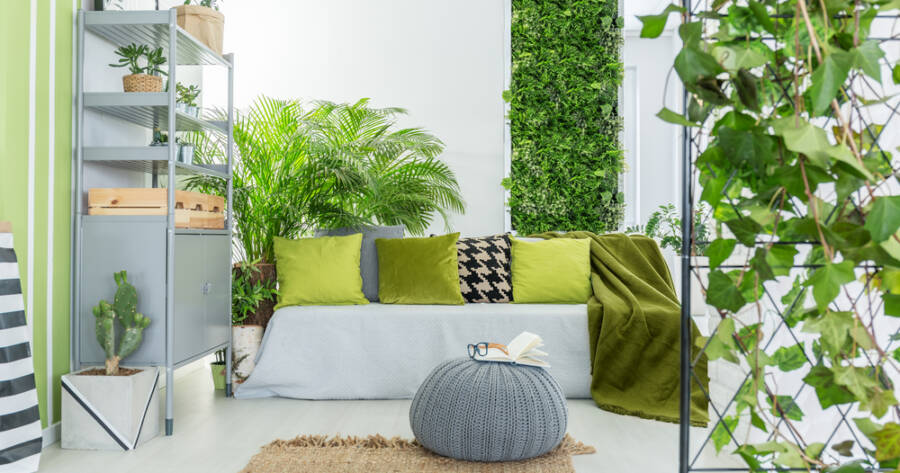
Growing leafy greens at home has become more appealing as people look for fresh food and better use of space. Vertical garden towers offer a simple way to grow plants upward instead of outward, making them useful for patios, balconies, and small yards. Top systems are designed to support herbs and greens with minimal ground space. For many households, vertical garden towers provide an efficient, manageable way to grow food while keeping maintenance and space demands reasonable.
Maximizing Growing Space in Small Areas
One of the strongest benefits of vertical garden towers is how well they use limited space. Traditional garden beds require horizontal room, which can be hard to find in apartments or homes with small yards. Vertical towers stack planting areas upward, allowing many plants to grow in the footprint of a single pot.
This design makes it possible to grow leafy greens even in tight spaces. A single tower can hold multiple plants without crowding them, which is especially helpful for people who want fresh greens but lack outdoor land. By growing upward, you turn unused air space into productive growing space.
Ideal Conditions for Leafy Greens
Leafy greens tend to grow well in vertical systems because they do not need deep roots or heavy support. Plants like lettuce, spinach, kale, and arugula thrive in the shallow planting pockets commonly found in garden towers.
Vertical towers also improve airflow around plants, which can help reduce moisture buildup on leaves. Better airflow supports healthier growth and can make plants easier to manage. Because leafy greens grow quickly and do not require long seasons, they are well suited to the steady, contained environment of a vertical system.
Easier Access and Maintenance
Vertical garden towers bring plants up to a comfortable working height. This makes tasks like planting, harvesting, and checking plant health easier on the body. Instead of bending or kneeling, you can reach most plants while standing or sitting.
Maintenance also becomes more manageable. Watering, trimming, and harvesting can be done quickly because everything is in one place. When plants are easy to access, they are more likely to be cared for consistently. This regular attention supports healthier growth and better results over time.
Efficient Water Use
Many vertical garden towers are designed to use water efficiently. Some systems allow water to flow from the top down, reaching each plant as it moves through the tower. This helps distribute moisture evenly and reduces waste.
Leafy greens benefit from consistent moisture, and vertical systems make it easier to control watering. Because the soil volume is smaller and contained, it is easier to notice when plants need water. Efficient watering also helps prevent overwatering, which can harm roots and reduce plant health.
Cleaner and More Organized Gardening
Vertical garden towers help keep gardening tidy. Soil stays contained within the system, which reduces mess on patios or balconies. This makes vertical gardening appealing for people who want a clean setup without loose dirt or spreading plants.
Organized planting pockets also make it easier to separate different greens. You can assign specific sections of the tower to specific plants, which helps with harvesting and planning. This organized structure can make gardening feel more approachable, especially for beginners.
Flexible Placement Indoors and Outdoors
Another benefit of vertical garden towers is flexibility. Many towers can be used outdoors during warm months and moved indoors when temperatures drop. This allows for extended growing seasons, especially for leafy greens that do not require intense sunlight.
Placement flexibility also means you can adjust the tower based on light conditions. If one area of your space gets better sun, the tower can be repositioned to support better growth. This adaptability helps plants thrive even when growing conditions change.
Supporting Consistent Harvests
Leafy greens are well known for their ability to regrow after harvesting. Vertical garden towers support this by making it easy to harvest outer leaves while leaving the plant intact. This encourages steady production rather than one-time harvests.
Because plants are grouped closely but not crowded, it is easier to monitor growth and harvest at the right time. Regular harvesting also promotes new leaf growth, which keeps the plants productive over longer periods. This steady cycle works well in vertical systems.
Reducing Barriers for New Gardeners
Vertical garden towers can make gardening feel less intimidating. The structured design removes some of the guesswork around spacing and layout. For people new to growing food, this can lower the learning curve.
Clear planting areas, simple watering routines, and easy access help beginners build confidence. As skills improve, the same system can continue to support more advanced growing habits. This makes vertical towers useful for both new and experienced gardeners.
A Practical Way to Grow Leafy Greens
Vertical garden towers offer a smart solution for growing leafy greens in limited space. By maximizing vertical area, improving access, and supporting efficient watering, they make home gardening more manageable and consistent.
These systems are well suited for greens that grow quickly and do not need deep soil. For anyone looking to grow fresh greens with less space and effort, vertical garden towers provide a practical and flexible option that fits modern living.