

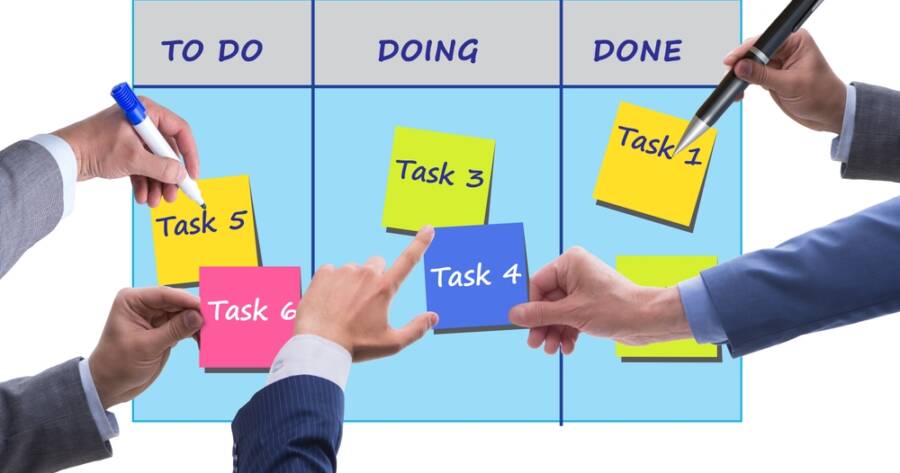
Managing personal projects can feel overwhelming, especially when tasks pile up and priorities are unclear. Digital tools can help, but they are not always the best fit for everyone. A physical Kanban board offers a simple, visual way to manage work without screens or complex systems. By showing tasks clearly and limiting what you work on at one time, a Kanban board can bring structure and calm to personal projects of all kinds.
What a Physical Kanban Board Is
A physical Kanban board is a visual tool that shows work as it moves through stages. The board is usually divided into columns, such as “To Do,” “In Progress,” and “Done.” Tasks are written on cards or sticky notes and moved across the board as work progresses.
Unlike digital tools, a physical board lives in your space. You can see it at a glance without opening an app. This constant visibility helps keep projects top of mind. It also creates a clear sense of movement, which makes progress feel real and motivating.
Kanban boards were first used in work settings, but the method works just as well for personal projects like home improvements, learning a new skill, planning events, or creative work.
Why Physical Boards Work for Personal Projects
One reason physical Kanban boards work so well is that they reduce mental clutter. Instead of trying to remember everything you need to do, you place tasks on the board. This frees up attention for actual work.
Another benefit is focus. A physical board makes it easier to see how much you are working on at once. When too many cards sit in the “In Progress” column, it becomes clear that you may be stretching yourself too thin. This visual feedback encourages you to finish tasks before starting new ones.
Physical boards also create a stronger sense of commitment. Writing a task by hand and moving it across the board can feel more satisfying than clicking a checkbox. That small action can make follow-through easier.
Setting Up a Simple Kanban Board at Home
You do not need anything fancy to get started. A whiteboard, corkboard, or even a section of wall can work. Divide the space into clear columns using tape or markers. Start with three columns to keep things simple.
Once the board is set up, write each task on its own card or sticky note. Keep tasks small and clear. Instead of writing “Work on project,” break it into actions like “Outline project steps” or “Research materials.”
Place all tasks in the first column. As you begin working on a task, move it to the next column. When it is finished, move it to the final column. This movement is the heart of the system. It shows progress in a way that feels concrete.
Using Limits to Stay Focused
One key idea behind Kanban is limiting how much work you do at one time. This is often called a work-in-progress limit. For personal projects, this simply means deciding how many tasks you can handle at once.
For example, you might decide to only allow two or three tasks in the “In Progress” column. When that column is full, you do not start anything new until a task is finished and moved to “Done.”
This approach helps prevent overload. It also reduces the habit of jumping between tasks without finishing them. By focusing on fewer things, you often complete work faster and with better quality.
Reviewing and Updating the Board Regularly
A Kanban board works best when it is reviewed often. This does not have to take long. A quick daily glance can help you decide what to work on next. A weekly review can help you add new tasks, remove outdated ones, and adjust priorities.
During a review, notice where tasks tend to get stuck. If many cards stay in the same column for too long, it may mean tasks are too large or unclear. Breaking them into smaller steps can help restore movement.
Reviews also offer a chance to reflect. Looking at completed tasks can remind you how much you have already done, which builds confidence and motivation.
Common Mistakes to Avoid
One common mistake is making the board too complex. Adding too many columns or rules can make the system harder to use. Simple boards are easier to maintain and more likely to be used.
Another mistake is letting the board become invisible. If it is placed in a corner you rarely look at, it loses its power. Place the board where you naturally spend time, such as near a desk or in a main living area.
Finally, avoid treating the board as a strict judge. The board is a tool, not a test. If you miss a day or move cards slowly, that is okay. The goal is support, not pressure.
Turning Projects Into Visible Progress
A physical Kanban board turns personal projects into something you can see, touch, and manage with clarity. By visualizing tasks, limiting what you work on, and reviewing progress regularly, the board helps reduce stress and improve follow-through.
Over time, this simple system can change how you approach projects, making work feel more focused and progress easier to recognize.