

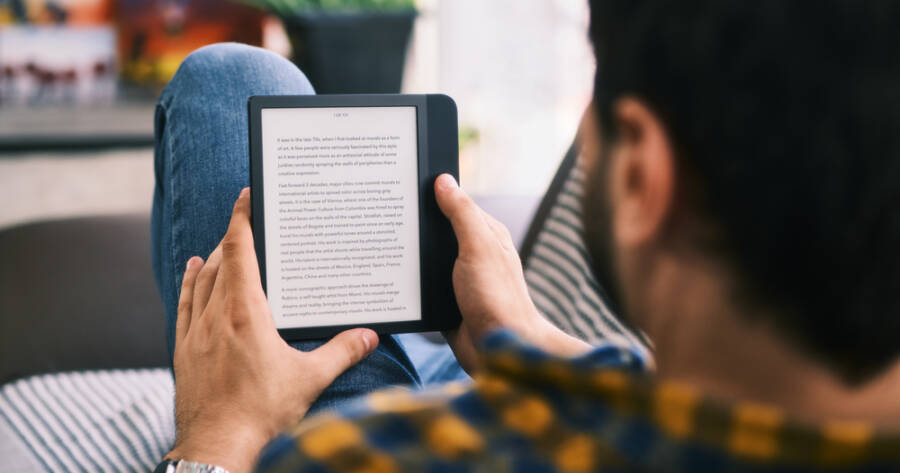
Choosing the right device for long reading sessions can make a big difference in comfort, focus, and overall enjoyment. Two common options are e-readers and tablets, and each has strengths and trade-offs. E-readers are purpose-built for books and long text, while tablets offer broader features that include reading alongside other functions. Understanding how they compare in areas like eye comfort, battery life, and versatility can help you decide which device fits your reading habits best.
Eye Comfort and Screen Technology
E-readers use e-ink screens that mimic the look of printed paper. This technology reflects light rather than emitting it, so pages appear softer and less bright than an LCD or OLED tablet screen. For long reading sessions, many people find e-ink easier on the eyes because it reduces glare and eyestrain. It can feel closer to reading a paper book, which helps when reading for an hour or more at a time.
Tablets use screens that emit light, which can be bright and crisp but also more tiring over long periods, especially in low-light settings. While tablets often have adjustable brightness and blue-light filters, the backlit display still requires your eyes to work harder than with e-ink. If your priority is comfort for long text reading, e-readers generally have a clear advantage because their screens are designed specifically for extended reading.
Battery Life and Power Usage
Battery life is another area where the two devices differ significantly. E-readers are extremely power efficient because e-ink only uses energy when the screen changes, such as when turning pages. This means you can read for days or even weeks on a single charge, which is especially useful for travel, long trips, or reading without frequent charging.
Tablets, on the other hand, use more power because their screens refresh constantly and support many background processes. When you read on a tablet, playing music, checking messages, or running other apps all drain the battery faster. For long reading sessions away from a charger, e-readers tend to be more reliable because they hold their charge much longer and let you focus on reading without worrying about power.
Distraction and Focus
One of the most noticeable differences between e-readers and tablets is distraction. E-readers are designed with a single purpose: reading. You open a book and start reading without alerts, social media, videos, or game prompts in the background. This reduced distraction is a benefit for people who want uninterrupted reading time.
Tablets provide many functions in addition to reading, such as email, news apps, web browsing, and social media. These features can be convenient, but they also mean notifications and temptations are always a tap away. For some readers, having multiple uses on one device is appealing, but it can also pull attention away from long reading sessions. If your main goal is focus and immersion in the text, e-readers typically support that without the noise of multi-purpose devices.
Reading Environment and Screen Conditions
The environment where you read also affects performance. E-readers with e-ink screens perform well in bright sunlight because they reflect light instead of fighting it. This makes them excellent for outdoor reading on patios, parks, or beaches, where glare and brightness can make tablet screens hard to see.
Tablets can handle a range of lighting conditions with bright screens and adjustable backlight, but they may still be harder to read in direct sun. Indoor reading is fine on both devices, but in outdoor or mixed lighting, the paper-like quality of e-ink often provides clearer text with less glare.
Some tablets offer anti-glare screen protectors or modes that adjust contrast, but these features do not change the fact that a backlit screen still emits light into your eyes. E-readers’ reflective screens do not have that issue, which contributes to their comfort advantage in many settings.
Match the Device to Your Reading Goals
E-readers and tablets both have places in a reader’s life, but they serve different strengths. E-readers excel in eye comfort, battery life, and focused reading, making them especially suited for long reading sessions where distraction and glare are concerns. Tablets offer versatility and access to many types of content beyond books, which may appeal if you want a device that does it all.
Choosing between them depends on how you read: if uninterrupted, long sessions with paper-like displays matter most, an e-reader is hard to beat. If you want a multi-purpose device that handles reading alongside video, browsing, and apps, a tablet may be the better fit. Either way, thinking about how you use the device will help you get the most from your reading time.