

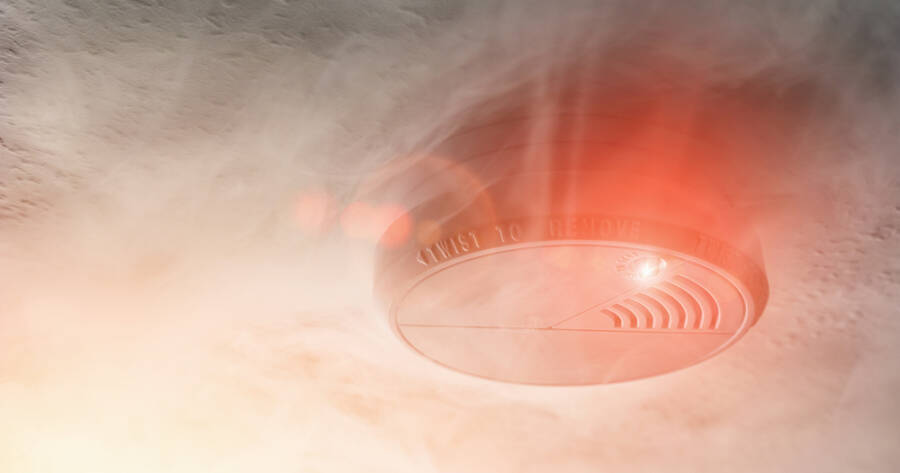
Smoke and carbon monoxide (CO) detectors are essential safety devices in homes across the United States. Traditional alarms have saved countless lives by alerting residents to danger, but smart versions are changing how people approach home safety. Smart smoke and CO detectors offer features that go beyond basic alarms, giving homeowners more control, alerts on smartphones, and integration with other smart devices. Understanding what makes smart detectors different can help you choose the best protection for your household.
What “Smart” Really Means in Home Safety Devices
A smart smoke or CO detector connects to your home’s Wi-Fi network and communicates with your phone or other smart devices. Unlike traditional alarms, which only sound a loud noise when they detect danger, smart detectors can send alerts to your phone wherever you are. This feature is especially useful if a potential issue arises when you are not home, allowing you to act quickly or notify someone nearby who can check on the situation.
Smart detectors may also include features like mobile reminders for battery replacement and system status updates, reducing the guesswork that comes with regular maintenance. By linking alarms to an app, you gain a level of awareness and control that traditional devices cannot provide, helping you stay informed about your home’s safety at all times.
Real-Time Notifications on Your Smartphone
One of the biggest differences with smart smoke and CO detectors is real-time alerting. If the detector senses smoke or carbon monoxide, it can send a notification directly to your phone. This allows you to know about potential danger even when you are away, such as at work or running errands. Knowing about a problem sooner gives you more time to respond, contact emergency services, or alert family members who are home.
Smart alerts are especially helpful for people who travel often or have children or pets alone at home. Instead of relying solely on neighbors to hear an alarm, the smart system keeps you connected to your home’s safety status continuously. Many apps also allow multiple people to receive alerts, so trusted friends or family can be notified as well.
Integration With Other Smart Home Devices
Smart smoke and CO detectors can often connect with other smart home systems to create a more complete safety network. For example, a detector may communicate with smart lights to illuminate escape paths if an alarm sounds, or with smart locks to unlock doors automatically in a crisis. Integration with voice assistants can also provide spoken status updates or reminders.
This kind of communication between devices turns individual alarms into part of a coordinated safety setup. Instead of separate tools working in isolation, a smart home safety system can act together to support faster response and clearer awareness of potential dangers.
Improved Maintenance and Self-Testing Features
Traditional smoke and CO detectors require manual testing and battery checks, which can be easy to forget. Smart detectors often include automatic self-testing routines and send reminders about low batteries or necessary maintenance. This helps ensure the device remains ready to protect your home without frequent manual checks.
Some smart models run periodic tests and report the results through an app, so you always know whether the system is functioning correctly. Notifications for components that need replacing or cleaning can reduce the risk of false alarms or silent failures, giving you confidence that your safety devices are working properly.
Enhanced Detection Technology and Alerts
Smart smoke and CO detectors often use advanced sensors that can differentiate between different types of smoke or airborne particles. This may help reduce false alarms caused by cooking or steam while still detecting real danger. Combined with learned patterns and system updates, smart detectors can offer more refined and reliable alerts.
The ability to set custom detection preferences through an app can also let you fine-tune how sensitive the detector is in various areas of your home. For example, you may want slightly different sensitivity levels near a kitchen versus a bedroom, which can help balance safety and everyday convenience.
Remote Monitoring for Peace of Mind
Another benefit of smart detectors is remote monitoring. By checking the app, you can see the status of your home’s alarms at any time. This can be reassuring for parents, pet owners, or anyone away from home for long periods. If a detector sends a warning, you can take action right away or ask someone nearby to check on the house.
This remote feature also supports better tracking over time. Some apps store alert history so you can review when alarms occurred and what actions were taken. This can help you understand patterns or recurring situations and adjust your safety plan accordingly.
Smarter Protection for Modern Homes
Smart smoke and CO detectors offer more than the traditional loud alert. They provide real-time notifications, easier maintenance reminders, integration with other smart devices, and enhanced detection capabilities.
For many people, the ability to receive alerts on a phone and monitor home safety remotely adds a valuable layer of protection and peace of mind. By combining advanced technology with core safety functions, smart detectors make it easier to protect your home, your family, and your peace of mind in a world where awareness and responsiveness matter.