

If you want a smartwatch that helps you train, recover, and stay consistent, constant pings can feel like the wrong direction. Fitness-first watches put workout tracking, GPS accuracy, and training feedback ahead of social alerts and app noise. Many of them still show basic calls or texts if you want that, but their main value is performance data you can use. Understand strong smartwatch options that keep the focus on fitness, not distractions.
What “Fitness-First” Really Means in a Smartwatch
Fitness-first smartwatches are built around training tools: reliable GPS, heart-rate tracking, workout modes, and recovery insights that help you plan your next session. Instead of trying to be a tiny phone on your wrist, they prioritize metrics like effort, sleep, and training load, plus features like structured workouts and performance trends. In practice, these watches usually have simpler app ecosystems than general-purpose smartwatches, and they let you limit notifications to only what matters, which helps you stay focused during the day and during workouts.
A good fitness-first watch should also fit your routine. Runners may care most about pacing, intervals, and race prep. Cyclists may want strong GPS, sensors, and clear data screens. People who cross-train may want many sport profiles and recovery tools that tie everything together. The best choice depends on how you train, not on how many apps the watch can run.
Garmin Forerunner Series: Training Tools Without the Noise
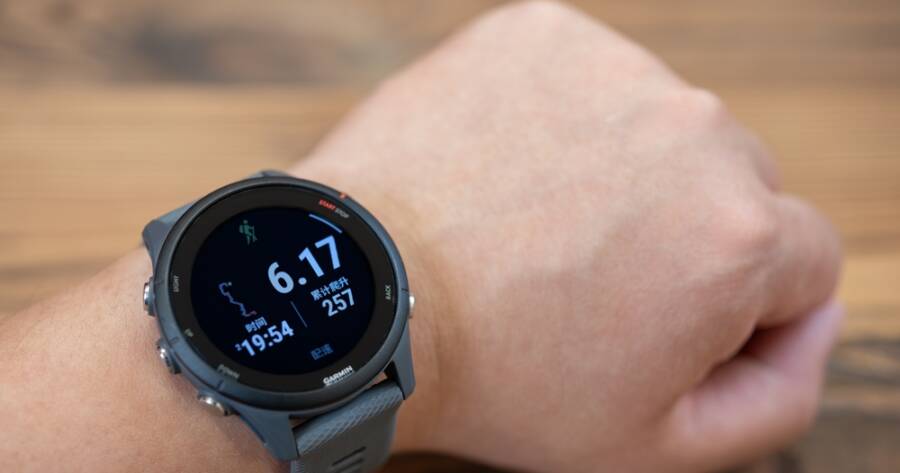
Garmin’s Forerunner line is a common pick for fitness-first users because it blends strong sport tracking with training guidance. Models like the Forerunner 265 and 965 emphasize structured training support, and Garmin includes metrics such as Training Readiness to help you judge how prepared you are on a given day. The overall experience is geared toward workouts, recovery, and performance trends, rather than constant app interaction.
Forerunners also suit people who want control. You can keep notifications off, allow only calls and texts, or set a very tight filter. That matters because a watch can be “smart” without being distracting. If your main goal is running, triathlon training, or general conditioning with clear progress signals, the Forerunner line is often the most direct path.
Polar Vantage V3: Recovery and Training Feedback First
Polar has a long reputation in training-focused wearables, and the Vantage V3 is positioned as a premium multisport option built around training and recovery tools. Polar highlights a broad set of training and recovery features, plus modern sensor support such as wrist ECG, SpO2, and skin temperature sensing, along with dual-frequency GPS and maps. The point of a watch like this is not to keep you “connected” every second, but to help you understand what your body can handle and how to train with better timing.
If you like a coaching-style approach that emphasizes recovery, sleep, and training load, Polar can feel more focused than typical smartwatches. It’s also a good match for people who want a sports watch that stays serious even when worn all day, without encouraging constant tapping, replying, and scrolling.
COROS PACE Line: Simple, Lightweight, and Training-Centered
COROS has earned a place with endurance athletes by keeping the experience clean and training-focused. The COROS PACE 3 is a clear example: it’s marketed as a lightweight GPS sports watch built for endurance athletes, with strong battery life and advanced training features. If you want a watch that feels purpose-built for running and training blocks, COROS is often a strong fit.
These watches tend to be less “busy” than general smartwatches. They can handle the essentials, but they’re not trying to become an always-on notification hub. That makes them easier to wear daily without feeling pulled into your wrist every few minutes.
How to Choose the Right One for Your Training Style
Start with your primary training. If you want deep training guidance, broad sport modes, and a mature fitness platform, Garmin Forerunner models are hard to beat. If you care most about recovery signals and a training system that centers the body’s readiness, Polar is a strong contender.
If you spend time outdoors and value navigation features like offline maps as part of the workout, Suunto is worth serious attention. If you want a simple, lightweight sports watch that stays focused on endurance training, COROS is a practical choice.
No matter which you pick, set your notification rules on day one. A fitness-first watch stays fitness-first only if you keep the alert stream under control. Most of these watches let you disable most notifications while keeping safety basics like calls or texts, which gives you the training value without the distraction.
Choose the Watch That Helps You Train, Not Scroll
The best fitness-first smartwatch is the one that supports your workouts and helps you recover well, without turning your wrist into another attention trap. Garmin Forerunner models emphasize training insights like Training Readiness, Polar Vantage V3 leans into training and recovery tools, and COROS PACE models keep things lightweight and endurance-driven. If your goal is better fitness with fewer interruptions, these are the types of watches built to stay on mission.