

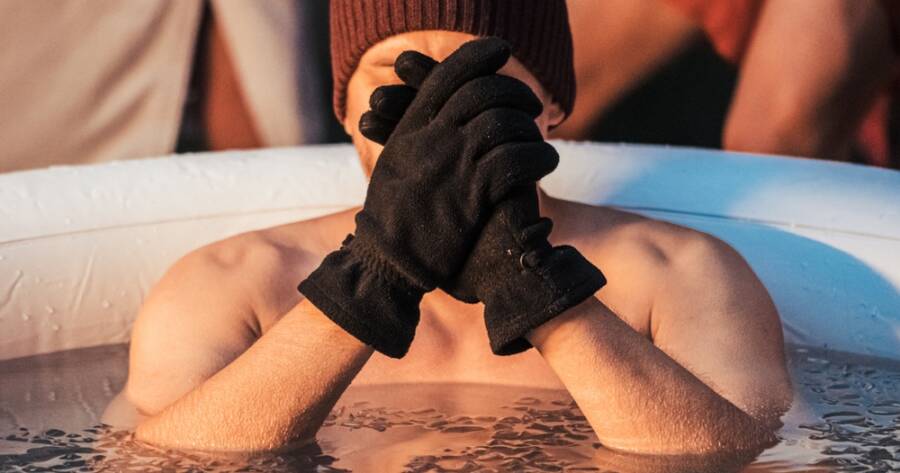
Cold therapy has become a common topic in wellness conversations, but many people assume it requires extreme routines or special setups. In reality, cold therapy can be introduced in simple, manageable ways that fit into everyday life. The goal is not to shock your system or push limits, but to use brief exposure to cold to support recovery, comfort, and awareness of your body. Starting small makes cold therapy easier to maintain and less intimidating.
What Cold Therapy Is and Why People Use It
Cold therapy involves exposing the body to cold temperatures for short periods of time. This can include cold water, ice packs, or cold air. People often use cold therapy to help with muscle soreness, stiffness, or general recovery after activity. Others use it as a way to feel more alert or to build tolerance to discomfort in a controlled way.
The key benefit of cold therapy is not intensity, but consistency. Short and mild exposure can still be useful when done regularly. Cold therapy works best as a supportive habit rather than an extreme challenge, especially for beginners.
Starting With Cold Showers the Simple Way
Cold showers are one of the easiest ways to begin cold therapy because they require no extra equipment. You do not need to start with fully cold water. A gentle approach works better for most people.
One simple method is to finish your normal warm shower with a short burst of cool water. Start with fifteen to thirty seconds and focus on calm breathing. Over time, you can slowly increase the length or lower the temperature as your comfort improves. This gradual approach helps your body adjust without creating unnecessary stress.
Using Ice Packs for Targeted Cold Therapy
Ice packs are a practical option for people who want targeted cold therapy without full-body exposure. They are often used on sore muscles, joints, or areas that feel tight after activity.
Applying an ice pack for a short period can help calm discomfort and provide a cooling sensation that feels refreshing. It is best to place a cloth between the ice pack and your skin to avoid irritation. Short sessions are usually enough, and comfort should always guide the length of use.
Cold Water Face and Hand Exposure
If full-body cold feels like too much, smaller exposure can still be helpful. Cold water on the face or hands is often more manageable and can still provide noticeable effects.
Splashing cold water on your face in the morning can help you feel more awake. Submerging hands in cool water for short periods can help you get used to the sensation without overwhelming the body. These small practices help build tolerance and confidence with cold exposure.
Cold Therapy After Movement or Exercise
Cold therapy is often used after physical activity, but it does not need to be complicated. After a walk, workout, or long day on your feet, brief cold exposure can feel grounding and refreshing.
This might mean a cool shower, a cold compress on tired legs, or even stepping outside briefly in cooler air. The goal is to support recovery without forcing the body into discomfort. Paying attention to how your body responds helps you adjust the intensity.
Cold therapy works best when it feels supportive, not punishing.
Listening to Your Body and Staying Safe
Cold therapy should always be approached with awareness. If you feel dizzy, numb, or uncomfortable beyond mild discomfort, it is important to stop. Cold exposure is not about pushing through pain.
People with certain health conditions should talk to a healthcare provider before starting cold therapy. Even without specific conditions, listening to your body is essential. Comfort, breathing, and control should guide every session.
Making Cold Therapy a Sustainable Habit
The easiest way to maintain cold therapy is to keep it simple. Short, regular exposure is more effective than rare, intense sessions. Choosing one method that fits naturally into your day increases the chance you will stick with it.
Linking cold therapy to an existing habit, such as showering or post-exercise routines, can make it feel automatic. Over time, what once felt uncomfortable often becomes familiar.
Keep Cold Therapy Simple and Intentional
Cold therapy does not need to be extreme to be effective. By starting with small, controlled exposure and choosing methods that fit your lifestyle, you can explore cold therapy without stress or pressure.
Whether through cool showers, ice packs, or brief cold water use, simple practices can support comfort and recovery. When approached with patience and awareness, cold therapy can become a steady, manageable part of daily life rather than a difficult challenge.