

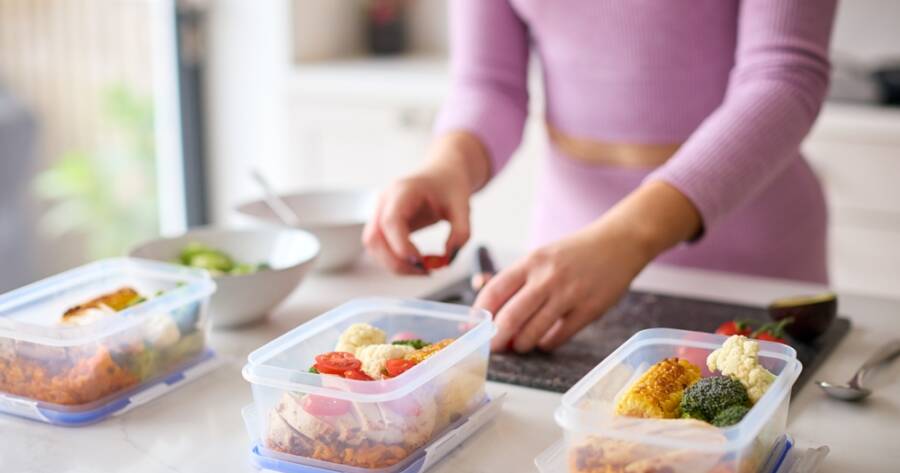
Eating healthy often sounds simple, but daily life makes it harder than expected. Busy schedules, last-minute decisions, and limited energy can lead to rushed meals or less thoughtful choices. Meal prepping offers a practical solution by shifting effort to a planned time instead of relying on daily willpower. By preparing meals or ingredients in advance, you can reduce stress, save time, and make healthier eating feel easier and more consistent throughout the week.
What Meal Prepping Really Means
Meal prepping is the practice of planning and preparing food ahead of time so meals are easier to assemble or eat later. This does not always mean cooking every meal in full. For some people, it means cooking complete lunches for the week. For others, it means chopping vegetables, cooking proteins, or preparing grains in advance.
The goal is not perfection or rigid rules. The goal is to remove daily friction around eating. When food is already prepared or partially ready, it becomes much easier to choose meals that support your health instead of grabbing whatever is most convenient in the moment.
Why Meal Prepping Makes Healthy Eating Easier
One of the biggest challenges with healthy eating is decision fatigue. Deciding what to eat multiple times a day takes mental energy. Meal prepping reduces those decisions by handling them in advance.
When meals are planned, you are less likely to skip meals or rely on processed options. You also gain better control over portion sizes and ingredients. This can lead to more balanced meals without needing strict rules or tracking.
Meal prepping also saves time during the week. Instead of cooking from scratch every day, you spend a short block of time preparing food once and then reuse that effort across several meals.
How to Start Meal Prepping Without Overdoing It
Many people avoid meal prepping because they think it requires hours of cooking or eating the same food all week. It does not have to be that way. Starting small is often the best approach.
Begin by choosing one meal to prep, such as lunches or dinners. Pick simple recipes you already enjoy. Cook just enough for a few days instead of an entire week. This keeps the process manageable and reduces waste.
As you get more comfortable, you can expand. The key is to build a system that fits your routine, not one that feels overwhelming or restrictive.
Planning Meals That Stay Enjoyable
A common concern with meal prepping is boredom. Eating the same meal every day can feel dull. To avoid this, focus on variety within structure.
You can prep base ingredients that mix and match well. For example, cooked chicken, roasted vegetables, and grains can be combined in different ways with sauces or seasonings. This creates variety without extra cooking.
Rotating meals from week to week also helps. You do not need a large recipe list. Even a small rotation of familiar meals can keep things interesting while maintaining simplicity.
Choosing the Right Containers and Storage Habits
Good storage habits make meal prepping easier and safer. Containers that seal well help keep food fresh and prevent leaks. Clear containers also make it easier to see what you have, which reduces forgotten meals.
Labeling containers with dates can help you keep track of freshness. Storing meals at eye level in the fridge makes them more likely to be eaten.
Portioning meals when you prep them can also save time later. When meals are already divided, it becomes easier to grab one and go without extra steps.
Using Meal Prepping to Support Long-Term Habits
Meal prepping works best when it supports your lifestyle instead of trying to control it. Flexibility is important. Some weeks will be easier than others, and that is normal.
Instead of aiming for perfect weeks, aim for helpful ones. Even prepping a few meals can make a difference. Over time, this consistency builds habits that feel natural rather than forced.
Meal prepping can also reduce stress around food. When you know meals are handled, you free up mental space for other parts of life. This makes healthy eating feel like support, not pressure.
Common Mistakes to Avoid
One common mistake is trying to prep too much at once. Large, complicated sessions can lead to burnout. Keeping prep sessions short and focused makes them easier to repeat.
Another mistake is choosing recipes that do not store well or reheat poorly. Simple foods often work best. Learning which meals you enjoy eating later is part of the process.
Finally, avoid rigid rules. Meal prepping is a tool, not a test. If a week does not go as planned, you can reset the next one without guilt.
Making Healthy Eating Feel Manageable
Meal prepping simplifies healthy eating by reducing daily decisions and saving time during busy weeks. By planning ahead, preparing simple foods, and building flexible routines, you make healthier choices easier to follow.
The goal is not to eat perfectly, but to create support around your meals. Over time, meal prepping can turn healthy eating from a daily challenge into a steady, manageable habit that fits your life.