

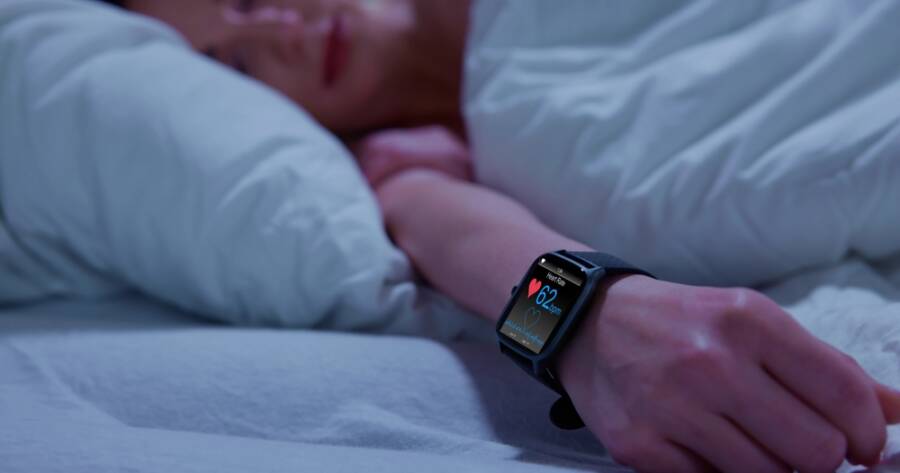
Getting enough sleep is important, but many people struggle to understand why they still feel tired after a full night in bed. Sleep tracking devices aim to solve the problem by giving insight into what happens during sleep. Modern tools can reveal patterns that are hard to notice on your own. By showing how sleep unfolds over time, sleep trackers help people make small changes that may lead to better rest and more consistent energy.
What Sleep Tracking Devices Actually Do
Sleep tracking devices monitor movement, heart rate, and sometimes breathing while you sleep. They are usually worn on the wrist, placed near the bed, or built into rings or headbands. Using this data, the device estimates when you fall asleep, how often you wake up, and how long you stay asleep.
Many devices also divide sleep into stages, such as light sleep and deeper sleep. While these stages are estimates, they can still help show trends. Over time, the data creates a picture of your sleep habits rather than focusing on one single night. This long-term view is often more useful than short-term results.
How Awareness Alone Can Improve Sleep
One of the biggest benefits of sleep tracking is awareness. Many people guess how long they sleep or how well they rest, but those guesses are often inaccurate. Seeing actual patterns can be eye-opening.
For example, you may believe you sleep seven hours, but the tracker shows frequent wake-ups that reduce overall rest. Or you may notice that late nights lead to shorter sleep without realizing it. This awareness can encourage better choices without pressure.
Simply knowing what is happening can change behavior. People may go to bed earlier, limit late-night screen use, or stick to more regular sleep times once they see patterns clearly.
Using Sleep Data to Adjust Daily Habits
Sleep trackers are most helpful when the data leads to action. Many devices allow you to compare sleep with daily habits, such as exercise, caffeine use, or bedtime routines.
Over time, patterns may appear. You might notice that certain habits lead to better rest, while others seem to disrupt sleep. These insights make it easier to test small changes, like adjusting bedtime or creating a wind-down routine. The goal is not to control sleep perfectly. It is to learn what supports better rest for your own body. Sleep trackers offer clues, not rules.
Tracking Consistency Instead of Perfection
One common mistake is focusing too much on single-night results. Sleep naturally changes from night to night, and one bad night does not mean something is wrong.
Sleep tracking devices work best when used to observe consistency. Regular bedtimes, steady sleep length, and fewer disruptions over time matter more than perfect scores. Looking at weekly or monthly trends gives a more accurate picture. By shifting focus from perfection to patterns, sleep tracking becomes a supportive tool instead of a source of stress.
Limitations of Sleep Tracking Devices
While sleep trackers are useful, they are not perfect. They estimate sleep based on movement and other signals, not direct brain activity. This means the data should be seen as guidance, not diagnosis.
Some people may also become too focused on numbers, which can increase anxiety around sleep. This is sometimes called “sleep pressure,” where worrying about sleep makes it harder to rest. Using the data lightly and with curiosity helps avoid this problem. The device should support better sleep, not create new stress.
Who Benefits Most From Sleep Tracking
Sleep tracking devices tend to help people who want to understand their habits better. They are useful for those who feel tired without knowing why or who want to build more regular routines.
They may be less helpful for people who already sleep well and feel rested most days. In those cases, tracking may not add much value. Like any tool, sleep trackers are most effective when they match a real need and are used with a balanced mindset.
Turning Sleep Data Into Better Rest
Sleep tracking devices improve rest quality by turning sleep into something visible and understandable. They highlight patterns, encourage awareness, and support small changes that can add up over time.
While they are not perfect and should not be taken as medical tools, they can offer helpful insight when used thoughtfully. When treated as guides rather than judges, sleep trackers can support better sleep habits and more restful nights.